A bit of English every day
Welcome to my English learning support space! Here you’ll find some written explanations, as well as videos to help you become familiar with the sound of English from all around the world. Some of them are about learning the English language, but you can also find videos about traveling, cooking, music and many other topics. You’ll find shorts, reels, and longer videos so you can choose the format you like best. Just make sure you have your computer or phone settings on English in the language section! Learning to communicate in English with confidence can be a challenge, but there’s a secret to making it easier: put a little bit of English into your everyday life.
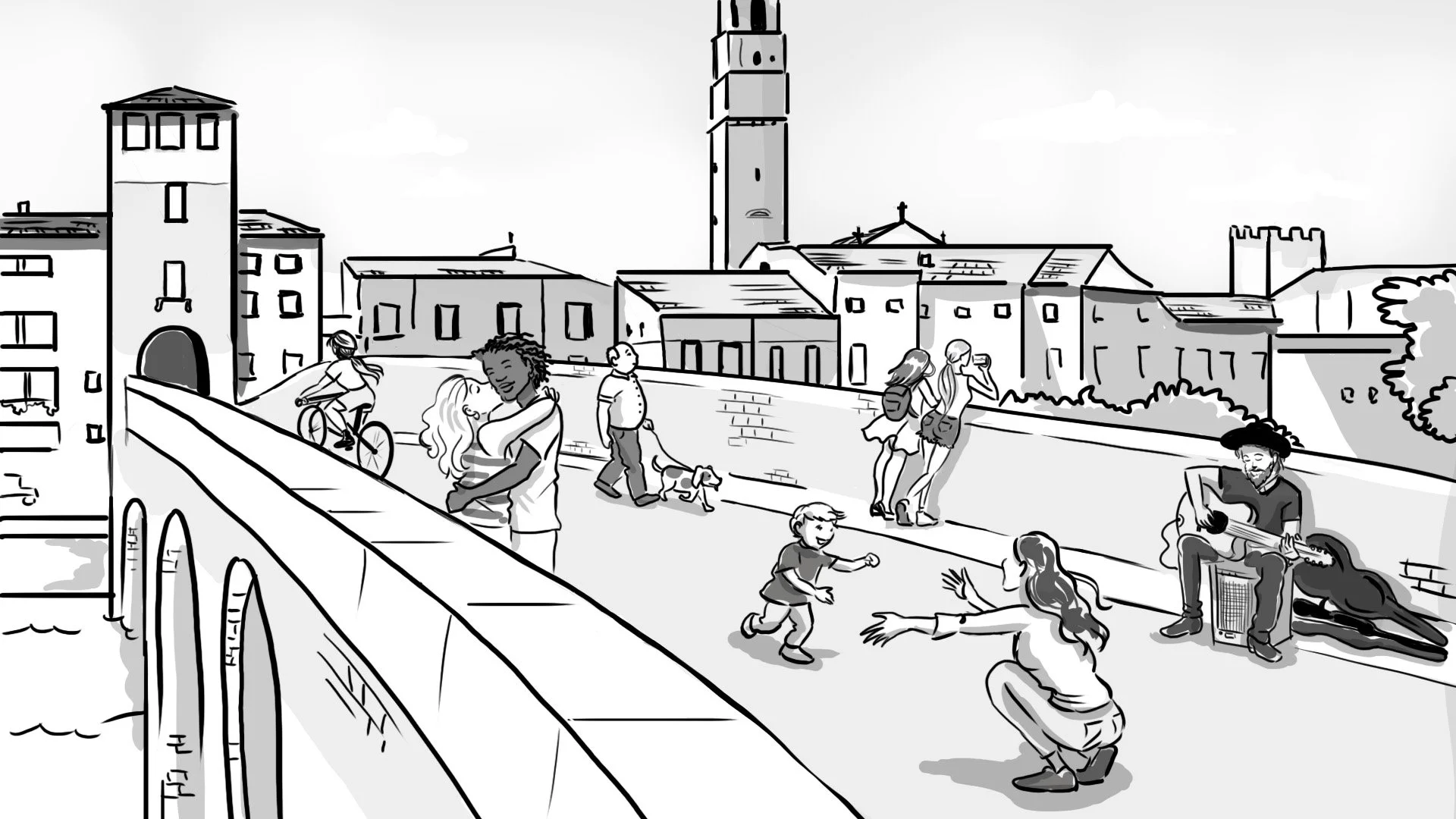
What do you do?
One of the first questions we ask a person we’ve just met is “What do you do?” It’s taken for granted that we’re speaking about their occupation in general, and therefore that this question is different from the more specific “What are you doing?”
The present simple is called “simple” precisely because it gives only the minimum information that the situation is in the present, and doesn’t generally refer to specific, dynamic or changing situations. This is a bit different from Italian, which doesn’t limit “il presente” with the adjective “semplice”, making it possible to use it in many cases where other forms are preferred in English because they give more information.
We can see these two functions if we compare a general, stable situation with a temporary, dynamic one:
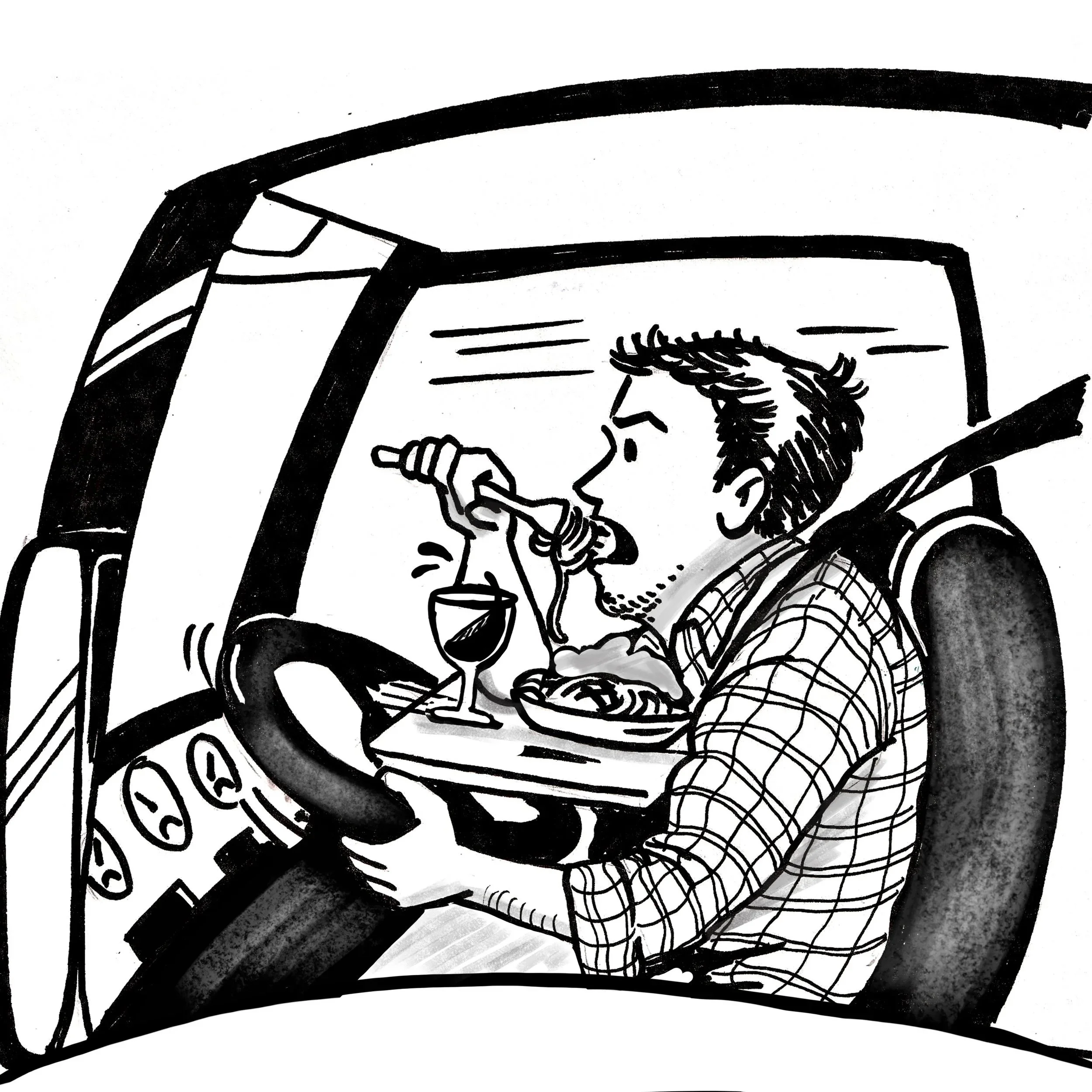
“What do you do?” “I’m a truck driver.”
This is the usual, general activity of the speaker.
“What are you doing?” “I’m having lunch.”
This is a specific action in progress at the moment.
He habitually drives a truck, because it’s his job. But we hope he’s not driving it at the moment, because if he is he could be a danger to other drivers as well as to himself.
Prepositions for relationships
Prepositions can be confusing in English because they don’t always correspond to the ones you’d use in Italian - as English Teacher Claire shows, we don’t use the more logical “married with” but we say “married to”…
“Would” isn’t always conditional
In this famous scene from “Pretty Woman” Julia Roberts’ character Vivian uses the modal verbs “would” and “will” not as conditional and future, but in their meaning connected with “will” as “volontà”. When she says “Nobody will help me” she isn’t talking about the future, she means “nobody wants to help me”. And when she returns to the shop the next day she uses the past form of “will” in this meaning, when she accuses the snobbish shop assistant: “You wouldn’t wait on me”. In this scene we can find the conditional “would” too, used by the shop assistant when she says to Vivian “I don’t think this would fit you”.